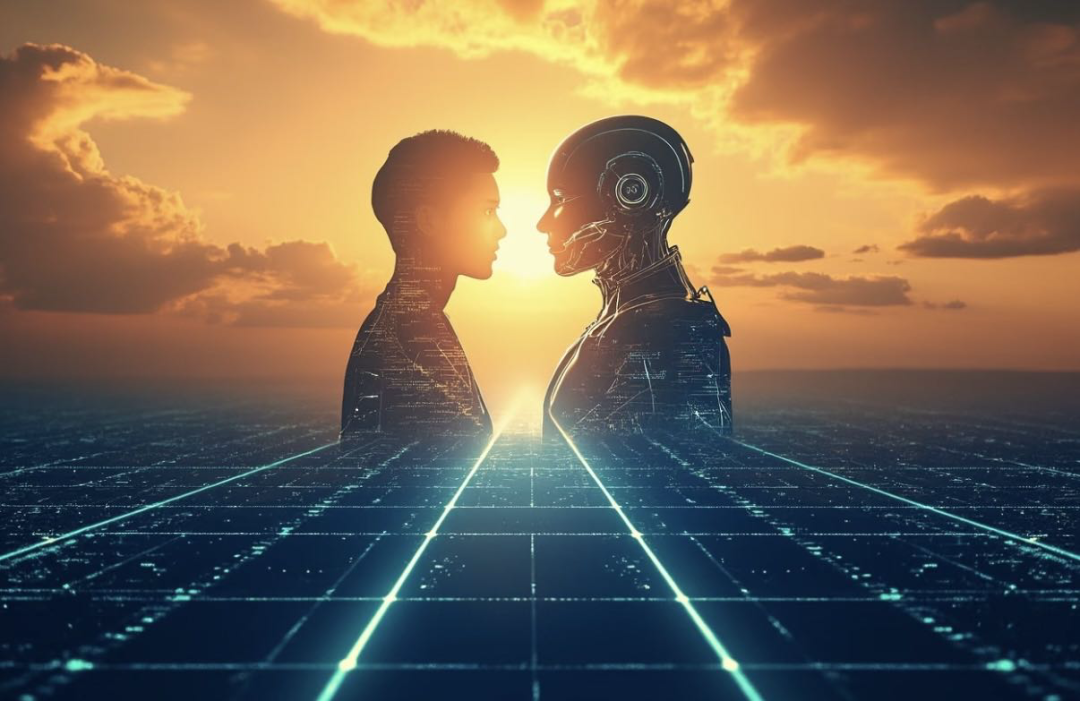
In the past, the artificial intelligence we were familiar with was a virtual intelligence that could see, hear, and type. ChatGPT can write copy, crunch numbers, and conduct analyses, but it has no physical body, cannot move, and is unable to perform hands-on tasks.
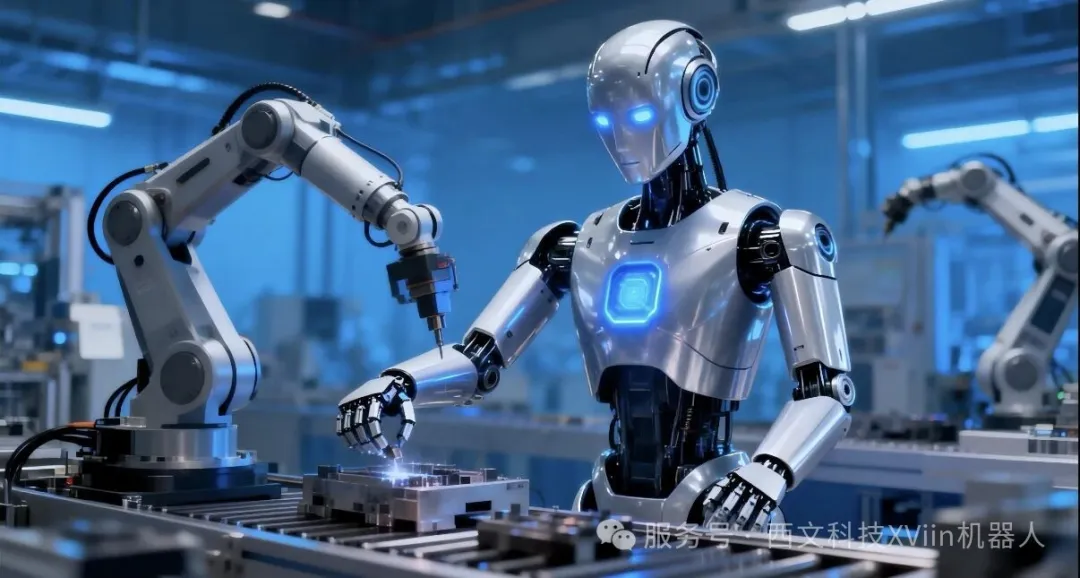
The embodied intelligence is to let the AI really have a "body" and become a physical robot intelligence that can enter the real physical world, work independently, adapt to the environment and solve problems.
Many are curious:
Didn't physical robots already existed? Why is it now that "physical intelligence" is on fire "?
What does it rely on to see the environment, think and judge, and act autonomously?
Today,EditorTake you to complete dismantling: The three core competencies of an intelligent robot-perception, decision-making, and action.。
What is true physical intelligence?
In a nutshell:
Traditional robots are "working according to the program", and intelligent robots are "understanding the environment, thinking for themselves, and working independently".
Ordinary industrial robots and fixed assembly line equipment, actions, routes and tasks are all written to death in advance. Once the environment changes, errors, Caton and downtime will occur.
And the physical intelligence, is a complete set of physical world intelligent closed loop:
Perceive the environment → understand the scene → intelligent decision → perform actions → real-time error correction iteration
It no longer relies on manual remote control, no longer limited to fixed scenes, and can adapt to operations in unknown, complex and dynamically changing real environments.
Perception: the robot's "eyes, ears and touch"
Human beings enter an unfamiliar environment, and judge road conditions, obstacles and risks by seeing, hearing and feeling of feet.
The first step of an intelligent robot isEnvironmental perception-equivalent to the robot's five senses.
It is equipped with a full set of intelligent sensing hardware: laser radar, depth camera, binocular vision, inertial sensor, force control sensor, infrared night vision module, etc.
Through multi-device fusion, the robot can do in real time:
✅3D modeling surrounding terrain
✅Identify obstacles, steps, gullies and stagnant water
✅Distinguish between people and equipment, items and sundries
✅Perceived distance, height, slope, degree of turbulence
✅Night, weak light, dust environment is still accurate identification
The core of perception is not "taking pictures", but "reading the environment".
It will transform the real physical world into a digital 3D map that robots can understand, laying the foundation for subsequent decision-making.
Decision-making: the "brain thinking and judgment" of robots"
With environmental data, you enter the core link--Intelligent decision-makingThis is also the biggest difference between physical intelligence and traditional robots.
Traditional robots:People set path, people set action, people set process, no brain execution。
body intelligent robot:Big models drive autonomous thinking.
The decision-making system automatically completes the whole set of logical judgments:
1. Where am I now?
2. What is my mission?
3. Is the front passable? Is there no risk?
4. Do you detour, wait, or change routes when encountering obstacles?
5. Which homework should be completed first?
6. Does an abnormal situation require early warning reporting?
It can autonomously plan the global path, real-time dynamic obstacle avoidance, intelligently assign job actions, and judge task priority.
Action: "Body Execution and Adaptive Motion" for Robots"
If you want to make a decision, you have to be able to move, hold on, and do it well.
行动控制,就是具身智能的四肢执行系统,负责把大脑的决策,落地为真实物理动作。
依托高精度运动控制算法、仿生步态模型、力控调节技术,实体机器人可以实现:
• 平稳行走、奔跑、转向、爬坡
• 上下台阶、跨越障碍、适应碎石颠簸路面
• 精准启停、柔性作业、稳定搭载设备
• 复杂地形自适应调整重心与步态
不同于普通机器的僵硬机械动作,具身智能机器人的行动是柔性、自适应、智能化的。
路面变了、环境变了、任务变了,它的动作姿态会实时自动调整,不会死板卡顿。
感知+决策+行动:构成完整实体AI闭环
单独的感知、单独的决策、单独的运动,都算不上具身智能。
真正的核心价值,在于三者实时联动、闭环迭代:
感知实时采集环境 → 大脑智能分析决策 → 身体精准执行行动 → 执行结果反向更新感知模型 → 持续优化智能
这就是实体机器人可以越用越聪明、越跑越精准的底层逻辑。
为什么具身智能是未来AI的终极方向?
当下AI行业已经非常明确:虚拟大模型进入瓶颈,实体落地才是增量风口。
大模型解决了“会思考”,具身智能解决了“能做事”。
未来所有实体机器人、智能装备、无人设备,都会朝着这套逻辑迭代:更精准的环境感知、更通用的AI决策、更柔性的物理行动。
感知,让机器人看懂世界;
决策,让机器人拥有思维;
行动,让机器人改变现实。
属于实体机器人、具身智能的新时代,才真正刚刚开始。