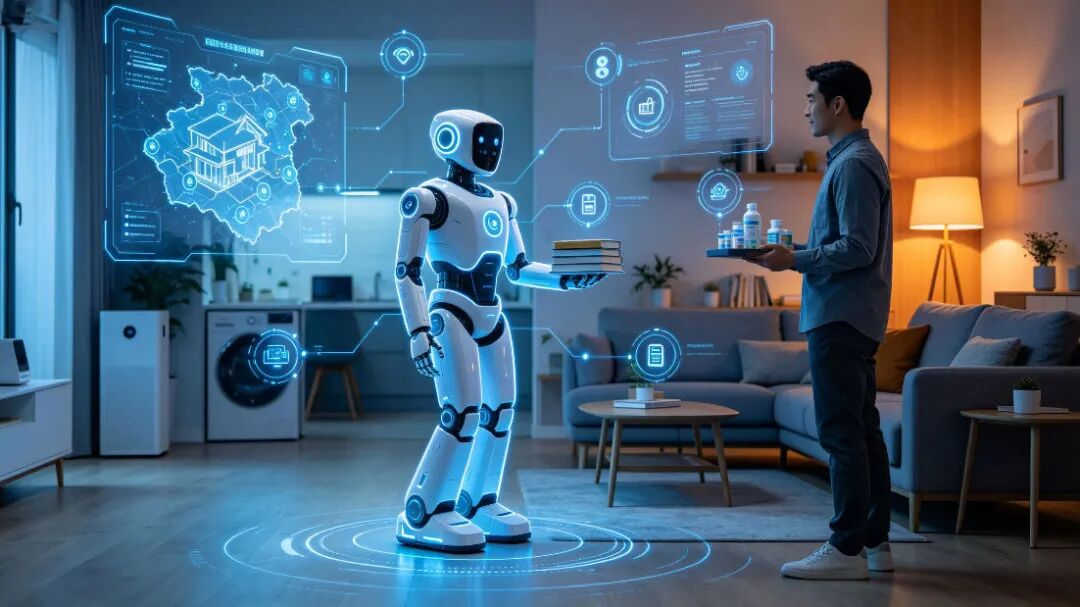
Have you ever thought that one day in the future, a robot that can carry boxes, chat with the elderly, and even help you with housework will no longer be a picture in a science fiction movie, but a "family member" who actually walks into your home "?
🔹Trend 1: From "active" to "knowledgeable"-perception decision-making integration
Early robots performed tasks by preset programs, such as sweeping robots that only swept along the path. But now, based on multi-modal large models and intensive learning technology, a new generation of physical intelligence has the ability to "think while watching.
For example, Boston Dynamics's Atlas robot can not only run and jump, but also judge its own route in complex terrain. The "cerebellum" system developed by China University of Science and Technology allows robots to adjust their action accuracy in real time through visual and tactile feedback, reducing the error rate by more than 60%.
🔹Trend two: hardware lightweight modular, so that "robot" is no longer expensive
In the past, a high-performance robot easily millions of start, limiting the popularity. However, with technological breakthroughs such as flexible sensors, micro-motors, and carbon fiber structures, physical intelligence devices are becoming "lighter, cheaper, and more flexible".
Walker X, like the best choice, weighs only 60kg, but can complete complicated operations such as going up and down stairs, opening doors, taking items, etc. Xiaomi's self-developed bionic mechanical arm has entered the family trial stage.
🔹Trend 3: Human-machine collaboration has become the mainstream, not a substitute.
The most alarming misunderstanding is: "robots to replace humans". But the reality is just the opposite-the future winner is the "human machine" deep collaboration model.
In hospitals, robot nurses help carry drugs and monitor patients' signs; in factories, collaborative robots (Cobot) work side by side with workers, significantly improving efficiency; in nursing homes, companion robots actively adjust tone and expression through emotion recognition algorithms, significantly alleviating the loneliness of the elderly.
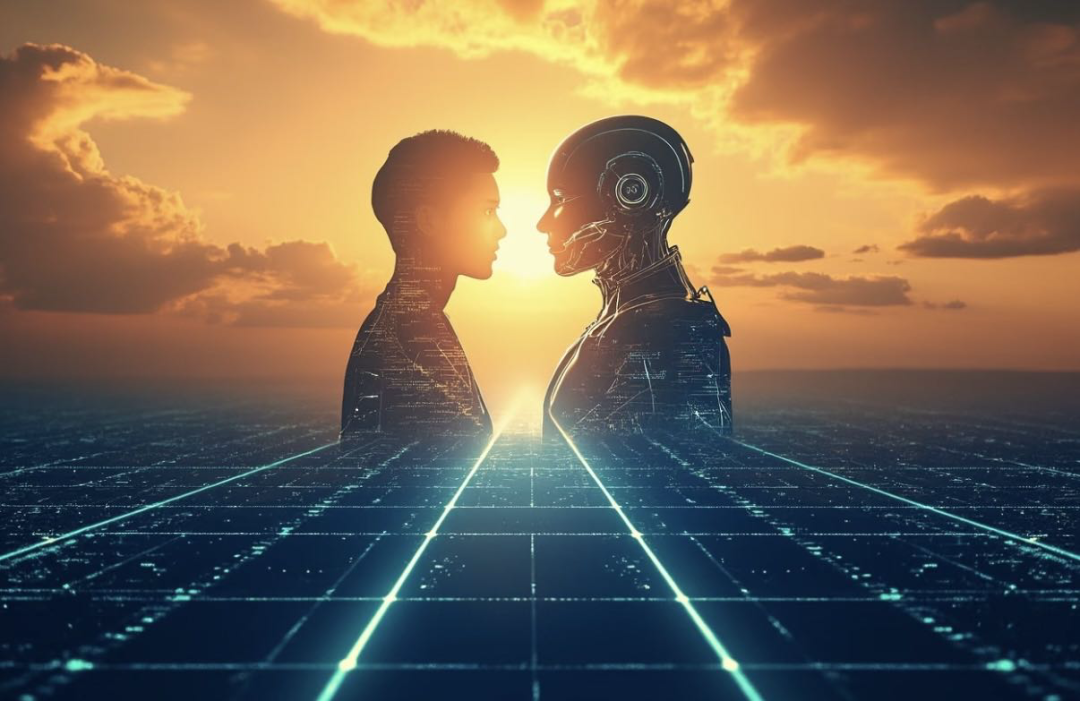
The wind has come, but it is not "rushing away", but "dancing together"
Body intelligence is not a narrative of "robots replacing humans", but a story aboutAbility to extendThe technological revolution. It frees us from repetitive work and leaves our energy to creativity and emotion.
In the next ten years, what will really change life may not be a certain explosive product, but a "warm partner" who can understand your words, remember your habits and is willing to accompany you to dinner ".
Body intelligence is moving from "being able to move" to "being able to live".
# Artificial Intelligence # Science and Technology Frontier # future life # Robots # Man-machine collaboration