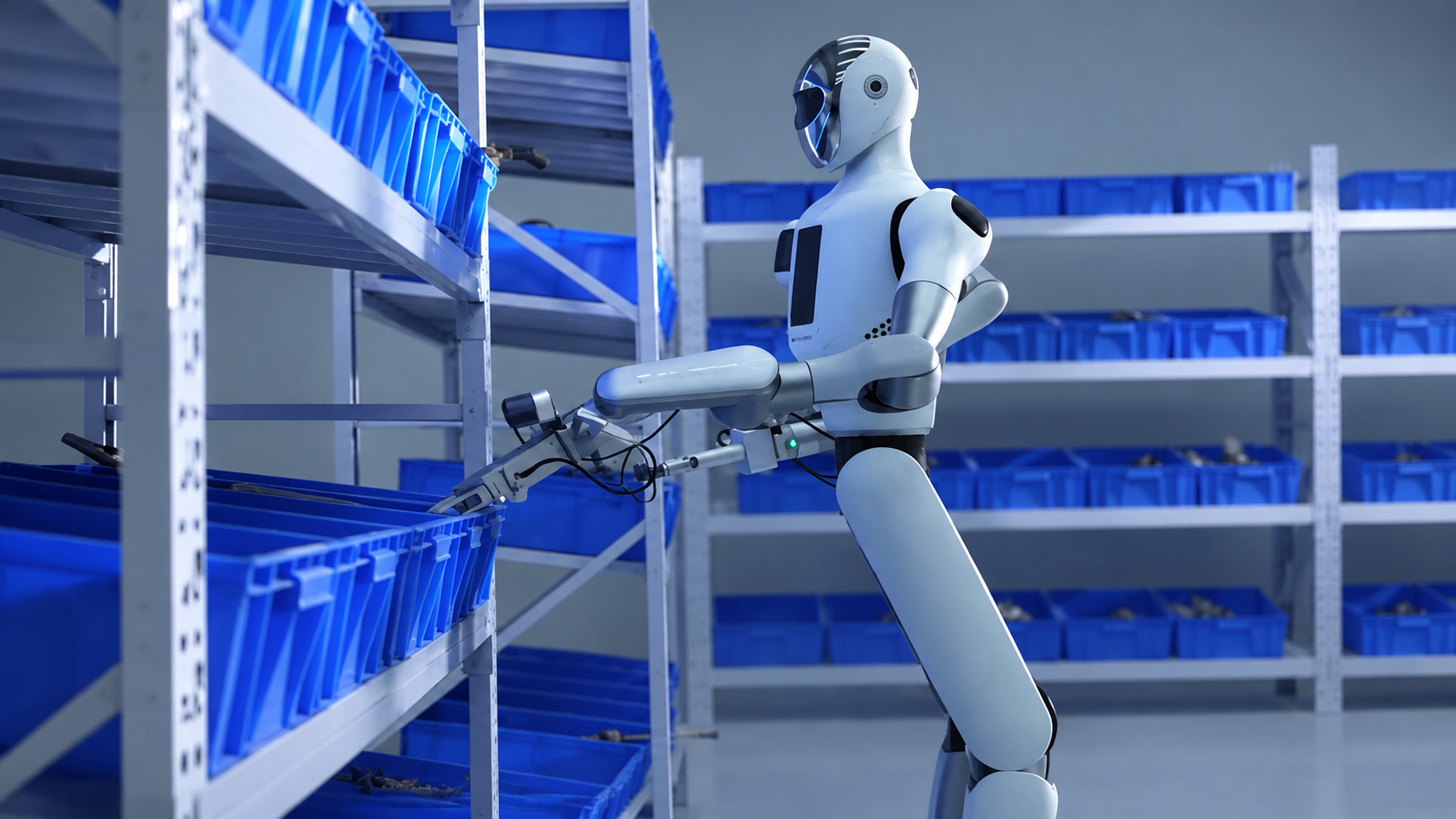
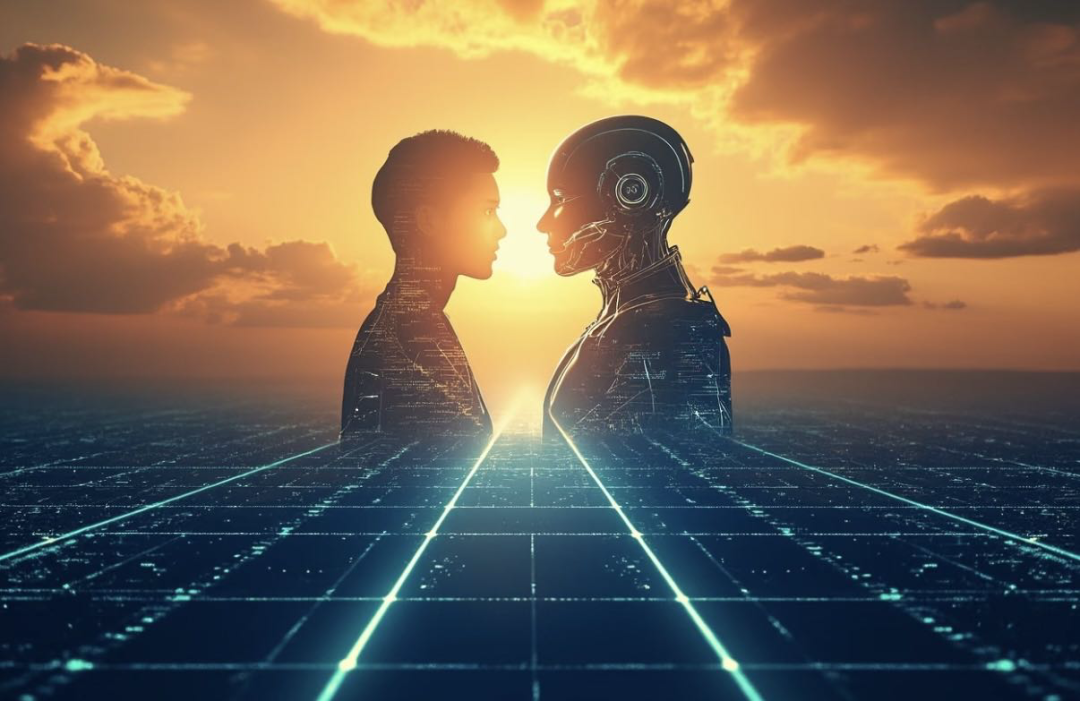
As AI begins to have a physical form, the boundaries of artificial intelligence are also shifting from the digital world into the real world.Over the past few years, we have witnessed the rapid development of large language models. AI can write, program, analyze data, and visually understand pictures and videos. But if the AI can only stay in the screen, it still changes mainly "information".The really bigger change may come from the next step:Let AI have bodies, get into the real world, and actually perform tasks.This is physical intelligence. From Figure, Tesla Optimus, to Boston Dynamics Atlas, Unitree G1, to more and more domestic and foreign robot enterprises continue to promote commercialization, body intelligence is gradually moving from laboratory technology to industrial application.So the question is:What is the end of physical intelligence?
1. from "will answer" to "will act"
Traditional AI are good at processing information. If you ask it a question, it can give an answer; if you give it a picture, it can recognize it; if you give it a piece of code, it can modify it. But robots face a completely different world. It requires understanding space, objects, distance, weight, and human behavior, and must make real-time decisions in an environment full of uncertainty. Therefore, what actual intelligence really needs to solve is a complete closed loop:Perception → Understanding → Planning → Action → Feedback.For example, when we tell the robot to "clean up the desktop", the real difficulty is not to understand this sentence, but to let the robot know: what is on the desktop? Which items belong to where? What should I take first? How to avoid obstacles? What if the item falls? If the environment changes, how should we re-plan? This means that the robot must gradually move from "performing a fixed program" to "understanding the task and completing the task autonomously".
2. global robots are verifying the route
From the perspective of global industrial development, this trend has become more and more obvious.Figure AIUniversal humanoid robots are being explored, hoping that robots can enter the real working environment and undertake tasks such as logistics and manufacturing.Tesla OptimusIt is trying to rely on the visual perception, neural network and motion control capabilities accumulated in the field of automatic driving, so that the robot gradually has the ability to perform general tasks.Boston Dynamics AtlasLong-term focus on robot motion capabilities, its products demonstrate the dynamic balance, movement and operation capabilities of robots in complex environments.Meanwhile,Unitree G1、H1And other products, is also pushing humanoid robots from display products to practical applications closer. These cases reflect the same change:The core of robot competition is moving from "mechanical structure" to "intelligent ability".The truly valuable robots of the future will not only be able to walk, run or complete a beautiful action, but will continue to complete tasks in the real environment.
The real "intelligence" of 3. robots is not more and more like people.
Many people judge the standard of humanoid robot, is to see it "like a person". But from an industrial point of view, the shape is only the appearance. What really matters is:Robots can understand human intentions and translate them into actions.Robots in the past often required engineers to define actions in advance. Future robots may only need to receive one target. For example: "Get the conference room ready." Robots can identify tables, chairs, documents, drinks and other objects on their own, and then plan the task flow. This requires VLM, VLA, world model, reinforcement learning, motion control and other technologies to work together. Among them, VLA(Vision-Language-Action) is becoming an important direction. It tries to build from:Vision → Language → Action direct connection. And the world model further addresses a deeper problem:Can the machine understand "if I do this, what will happen next"?This will determine whether the robot can really move from "action actuator" to "autonomous agent".
4. from "robot" to "intelligent space"
The end of physical intelligence may not be for every family to have a humanoid robot. Bigger changes could be:The entire physical space is beginning to become intelligent.Robotic arms in factories, mobile robots in logistics warehouses, service equipment in the home, and intelligent terminals in commercial spaces may all become part of physical intelligence. This is also the direction that Western Technology is paying attention. As focusBody intelligence, bionic robots and intelligent space systemsThe technology brand, Western Technology does not just understand the robot as an independent hardware product, but hopes to explore:How to form a more complete intelligent system between robots, AI and real space.From perception, motion control, to multi-modal interaction, to smart space applications, the real value of robots in the future is not just "standing there", but being able to integrate into specific scenes.For enterprises, this means that robots no longer need to solve single actions, but actual business problems. For ordinary users, this means that future smart devices may more and more naturally understand the environment and human needs.
5. from "can run" to "can understand", and then to "can execute"
Looking back at the development of robotics, one can see a very clear line.Able to walk, grab, move, and solve basic motion problems.Understand your surroundings through cameras, sensors, and multi-modal models.Understand language, tasks, and the relationship between people and their environment.Autonomously develop plans based on objectives and continuously adjust actions to changes in the environment.And the truly revolutionary fifth stage may be:Robots can continuously learn.After completing the task, the robot gains new data and experience, and then uses this experience for the next task. This means that the robot's capabilities are no longer entirely dependent on engineers programming in advance, but gradually form their own "experience".
The real end of 6. is AI entering the physical world.
The Internet used to connect people with information. Mobile Internet further brings information to everyone. Generic AI allows machines to begin to understand words, images, sounds and knowledge. And the AI is trying to complete the next step:Let AI really enter the physical world.When AI has the ability to perceive, make decisions and act, it changes no longer just the way content is produced. It could further change the way manufacturing, logistics, healthcare, home services, commercial spaces and even entire cities operate. This is why we believe that physical intelligence deserves long-term attention. It's not just another industry boom for humanoid robots. What is really happening behind it is that artificial intelligence fromDigital Intelligence to Physical IntelligenceThe extension. It is this change that Western Technology is concerned about. In the future, the robot should not be just a "machine". It should become connectedArtificial Intelligence, Physical Space and Real DemandThe new entrance. From a robot, to an intelligent system, to an intelligent space that can operate autonomously--This may be the real end of physical intelligence.When machines begin to understand the world we live in, when AI can not only "tell us the answer", but also "do things for us", artificial intelligence can truly cross the boundary between the digital world and the real world.Let intelligence have a body, let machines understand the world, and let the future truly enter reality.This is perhaps the most anticipated future of physical intelligence.Welcome to comment, forward and comment areaLeave a message!