

Special operations solutions: physical intelligence to enable complex environment operations
In the fields of agricultural production, chemical inspection, energy maintenance, emergency rescue and other fields, traditional operation methods face challenges such as complex environment, high risk of personnel operation, and difficulty in information collection. The development of physical intelligence and robot technology provides new solutions for inspection, survey and auxiliary operations in complex environments. Xiwen Technology (XViin) focuses on body intelligence, bionic robot research and development and intelligent space system landing, around the four-legged robot dog and humanoid robot, exploring complex terrain movement, on-site information collection, remote observation and human-machine collaboration and other applications. The company supports scene customization, software secondary development and equipment development according to customer needs.
Xiwen Technology Special Operations Solution: Body Intelligence Enabling Complex Environment Operations
1. Scheme Overview
In the fields of agricultural production, chemical inspection, energy maintenance, emergency rescue and other fields, traditional operation methods face challenges such as complex environment, high risk of personnel operation, and difficulty in information collection. The development of physical intelligence and robot technology provides new solutions for inspection, survey and auxiliary operations in complex environments.
Xiwen Technology (XViin) Focus on physical intelligence, bionic robot research and development and intelligent space system landing, around the four-legged robot dog and humanoid robot, explore complex terrain movement, on-site information collection, remote observation and human-machine collaboration and other applications.
Company support according to customer needsScenario customization, software secondary development, equipment adaptation and system integrationCombined with the field environment, operation process and business system, evaluate the robot selection and function expansion scheme, and promote the combination of robot technology and practical application.
2. core application scenarios
1. Wisdom agriculture: complex terrain inspection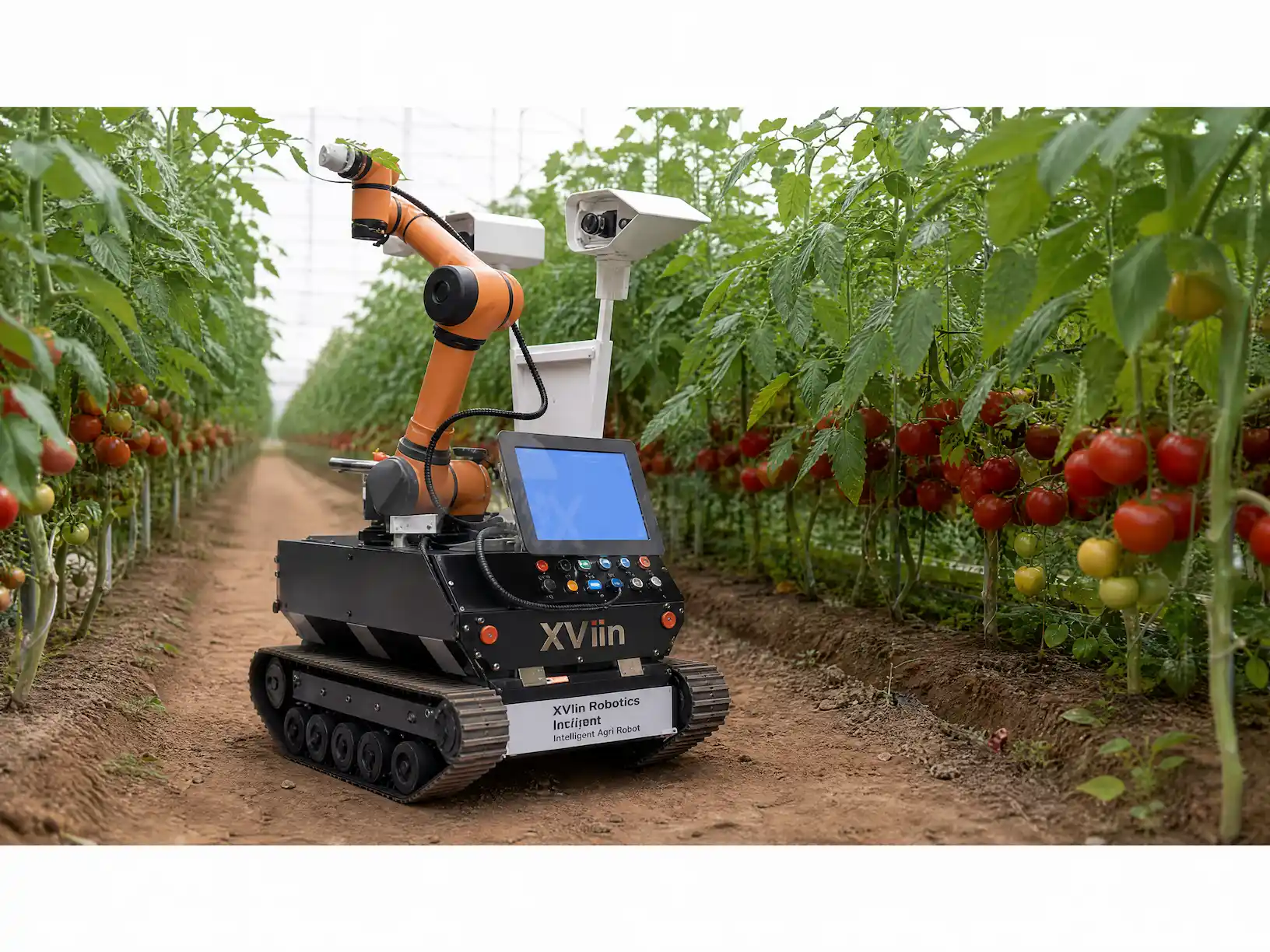
In large farms, mountain orchards and agricultural parks, the four-legged robot dog can be explored for farmland inspection, crop image acquisition, irrigation facility inspection and park inspection.
Application cases: In large-scale orchards, robots collect images of crops and facilities according to the planned route to form inspection records and provide reference for agricultural managers.
Custom Direction: According to the layout of the farmland custom inspection route, evaluation of crop image recognition, environmental data acquisition and agricultural management platform docking.
2. Chemical industry: hazardous area inspection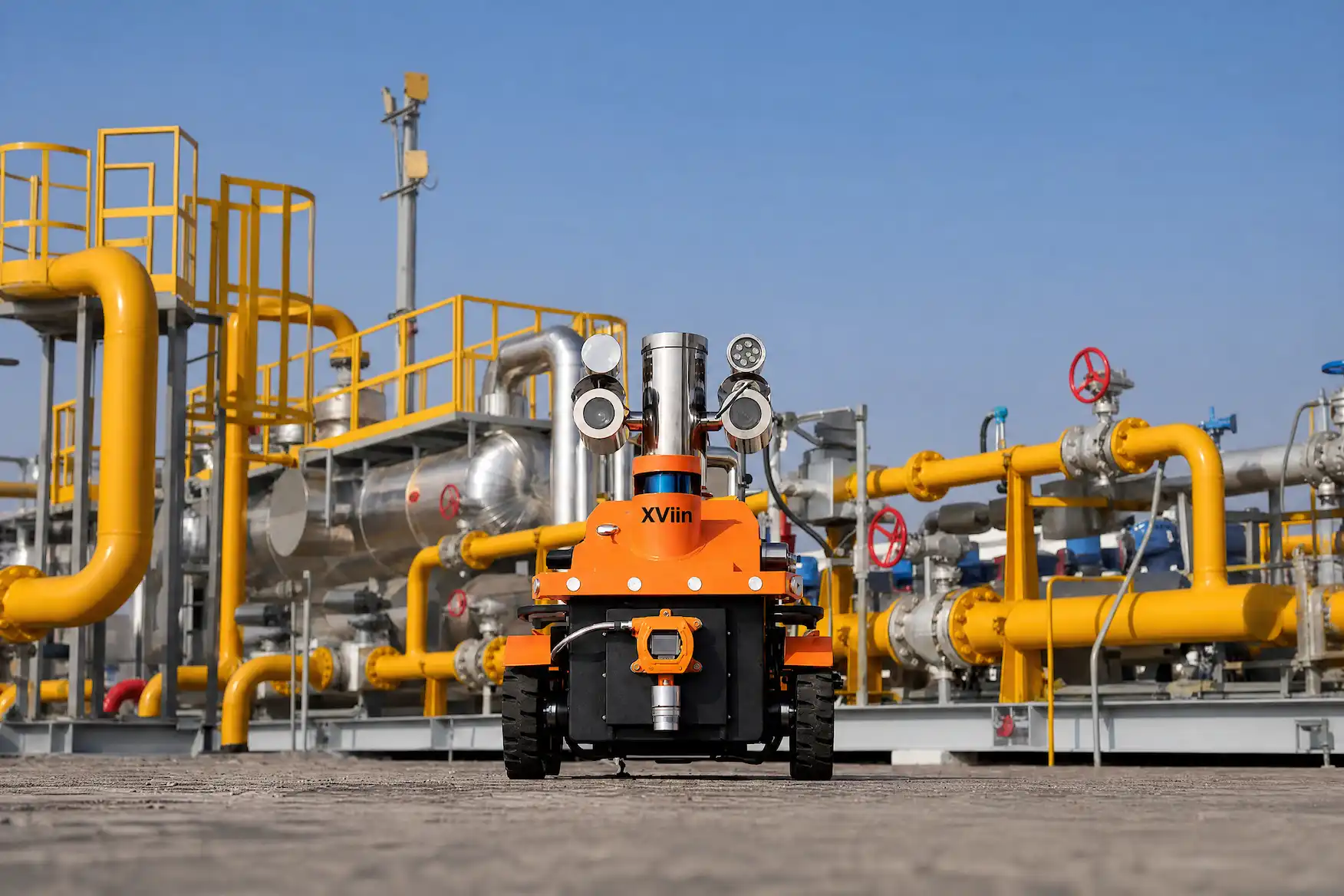
In chemical parks, oil storage and transportation facilities and industrial pipe corridors, quadruped robot dogs can assist in equipment appearance inspection, instrument image acquisition and key point inspection. According to the task requirements, professional sensing equipment such as gas detection and thermal imaging can be evaluated and configured.
Application cases: The robot collects images of valves, pipelines and instruments according to the set route for operation and maintenance personnel to review and assist in equipment maintenance and risk investigation.
Custom Direction: Customize inspection points and task processes, evaluate sensor adaptation, exception prompts, and interface with inspection management systems.
Note: Before entering the explosion-proof or other dangerous areas, the certification of the whole machine, the applicable grade of the equipment and the site access conditions must be confirmed.
3. Deep Sea and Ocean Engineering: Professional Equipment Collaboration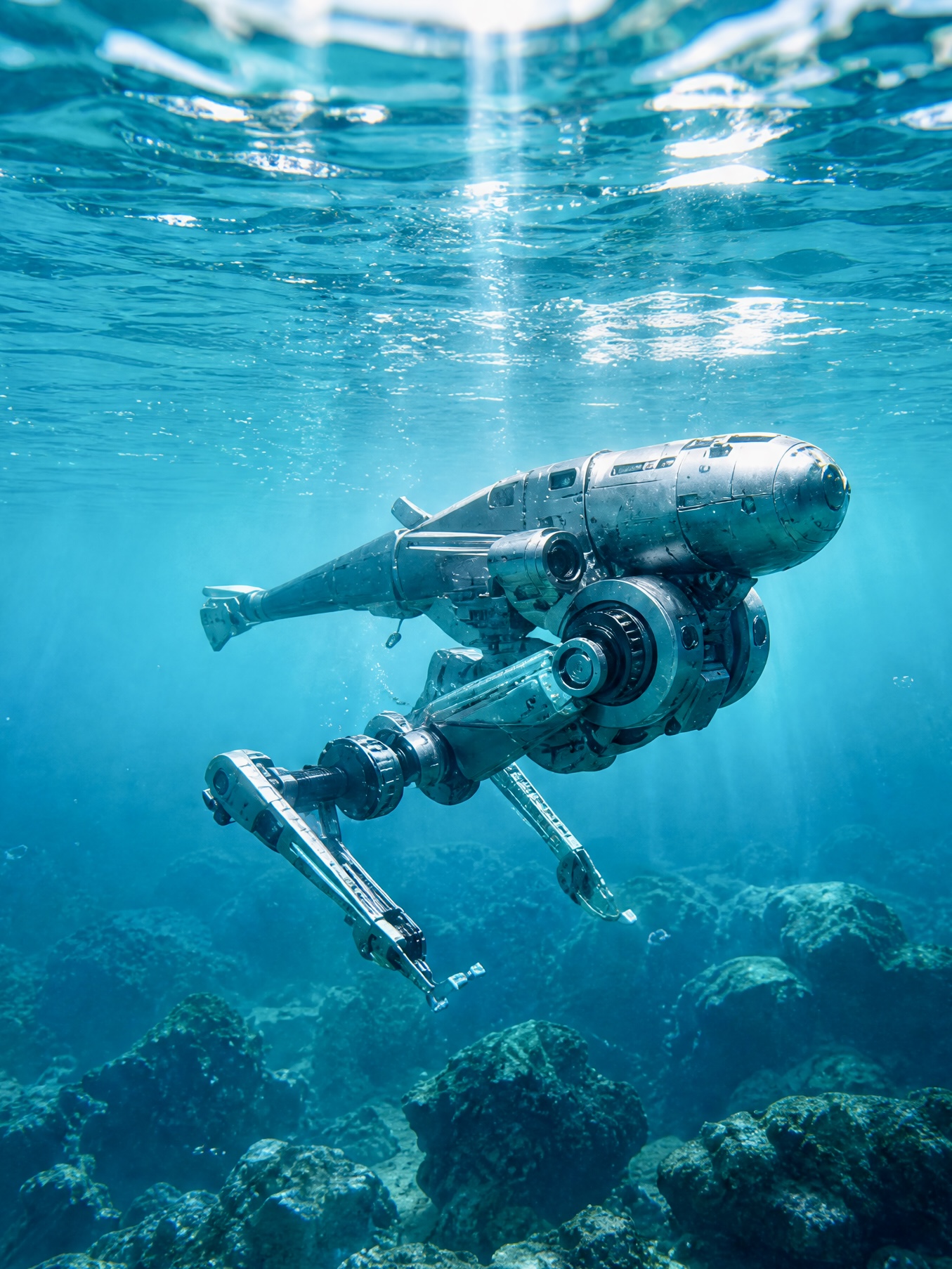
Undersea pipeline inspection, offshore wind power maintenance and other tasks usually require special underwater robots. The existing ground robots of Xiwen Science and Technology are not directly used for deep-sea operations. They can explore cooperation with professional underwater robot enterprises according to project requirements and carry out technical adaptation in task management, data collection and system coordination.
Application cases: Underwater inspection is performed by professional underwater robots, and data collation and status display are performed by supporting systems. The quadruped robot dog can be separately evaluated for land area or deck inspection of offshore facilities.
Military and Defense Support: Environmental Observation and Logistics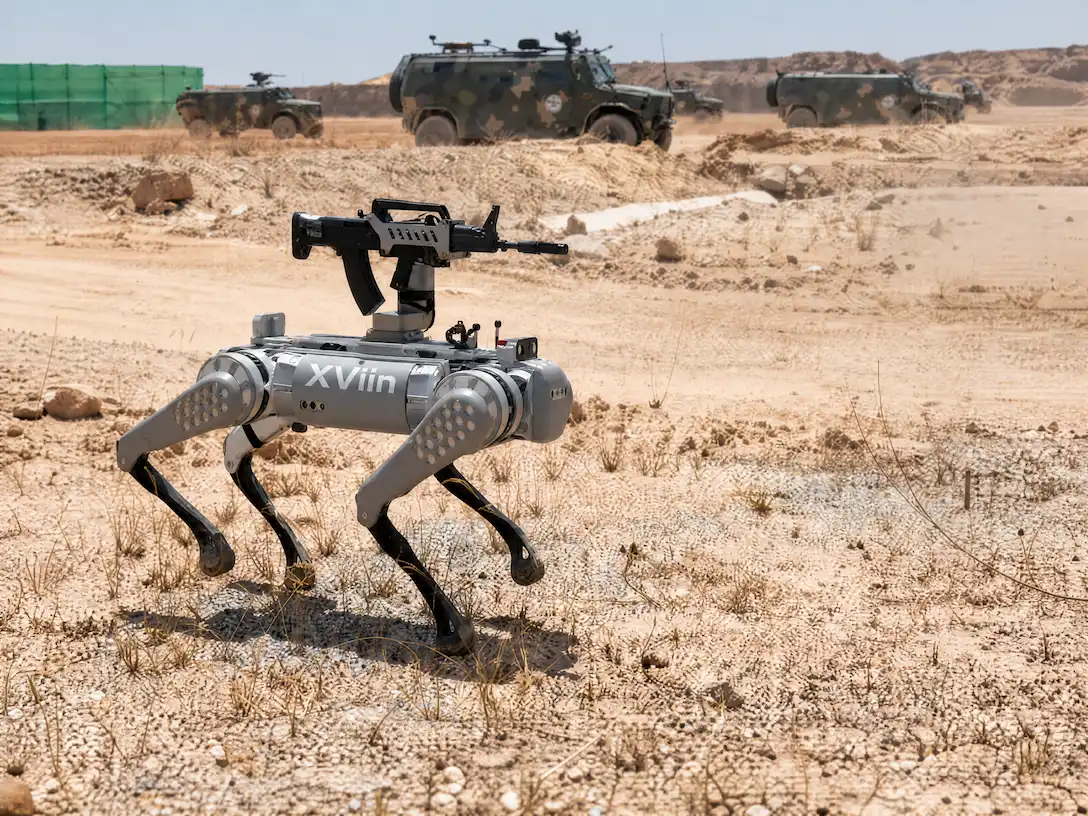
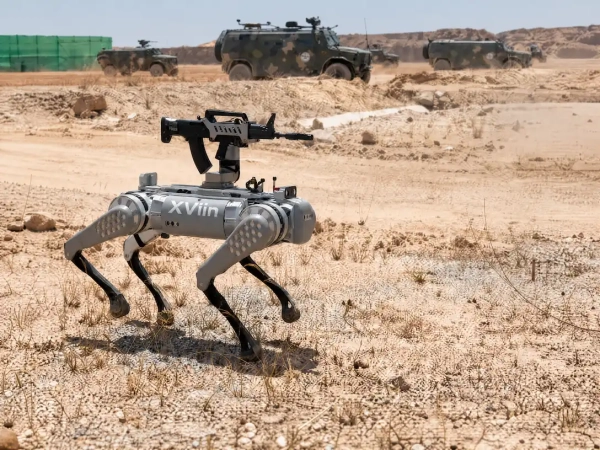
On the premise of complying with relevant laws, regulations and safety requirements, robots can be explored for non-weaponized tasks such as training site inspection, facility peripheral inspection, on-site image acquisition and auxiliary material transportation.
Application cases: In the closed training ground or facility area, the robot collects ground conditions and facility images to help the staff understand the scene environment.
Custom Direction: Evaluate patrol routes, task records, communications and equipment status management functions based on site layout.
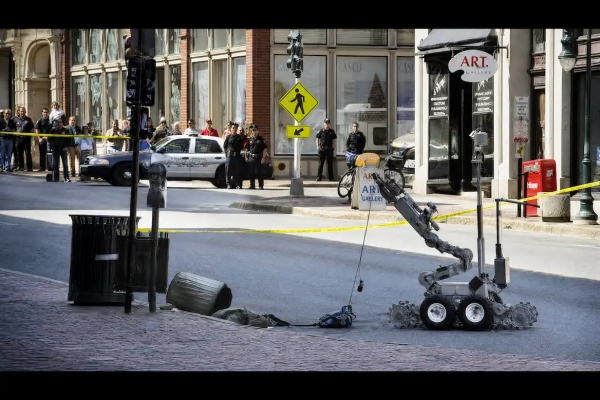
Specific deployment shall be subject to special verification according to equipment performance, communication security and access requirements, and existing products shall not be directly promoted as having autonomous combat or EOD capabilities.
5. Emergency rescue: post-disaster site investigation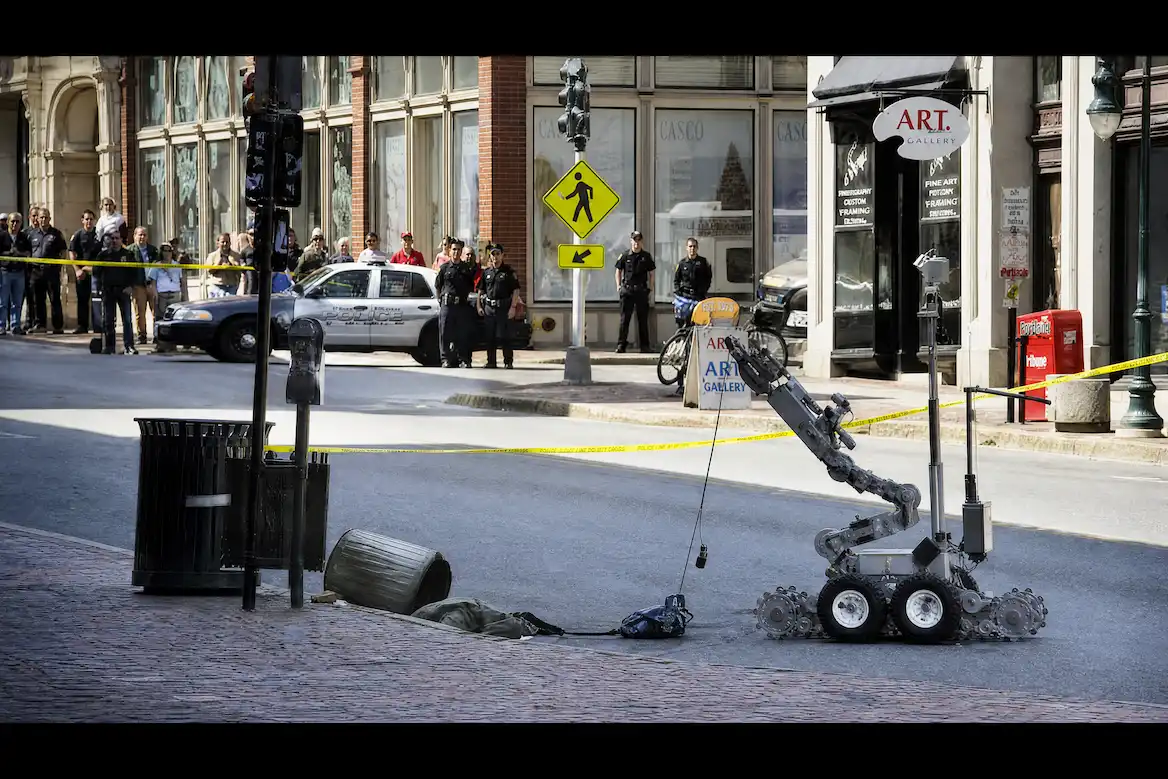
In scenarios such as earthquakes, floods, building damage, and industrial accidents, the quadruped robot dog can assist in peripheral surveys, passage observations, image acquisition, and post-disaster review when equipment capabilities and site conditions permit.
Application cases: After evaluation by professionals, the robot enters the area suitable for traffic to collect obstacles and building appearance information, which provides reference for rescuers to study and judge the scene situation.
Custom Direction: According to the type of disaster, the functions of image acquisition, thermal imaging, task recording and information display are evaluated.
6. Power and Energy: Facility Inspection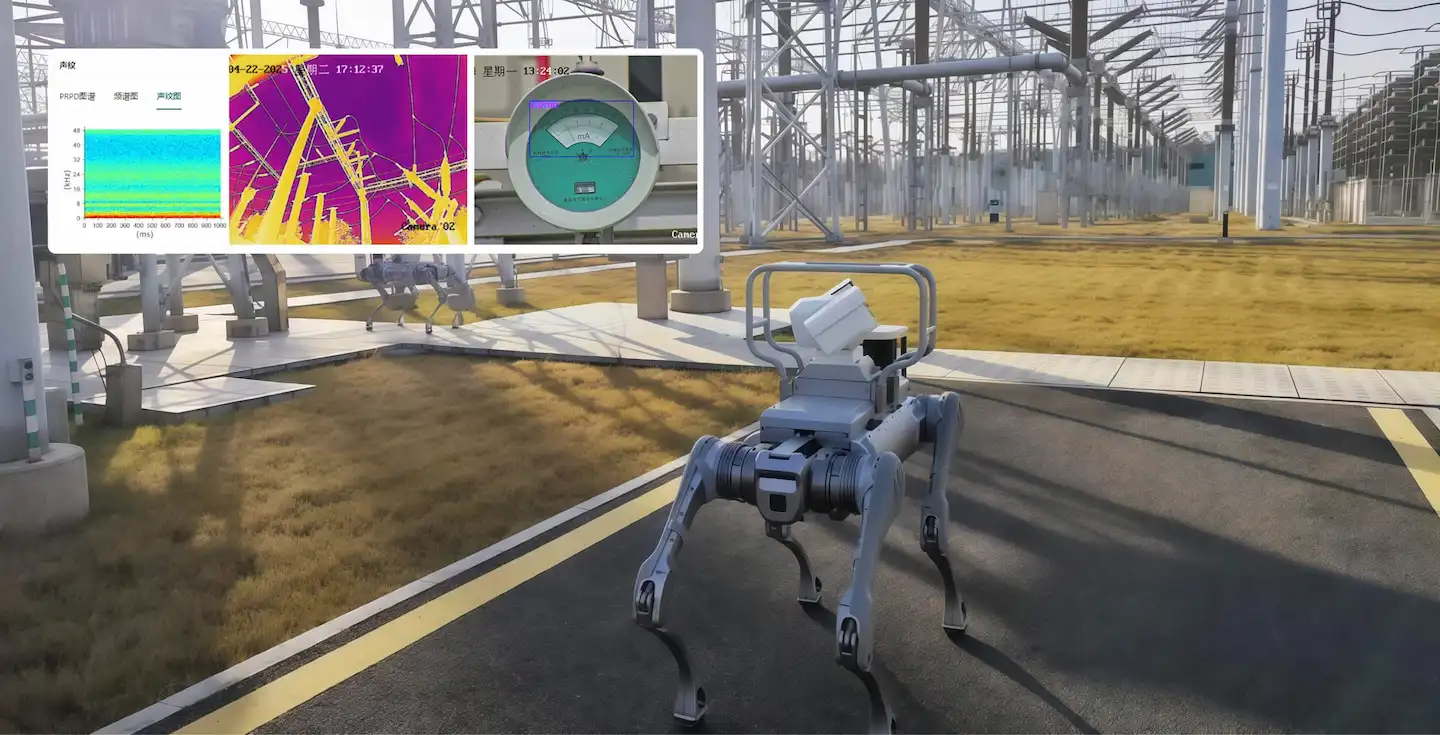
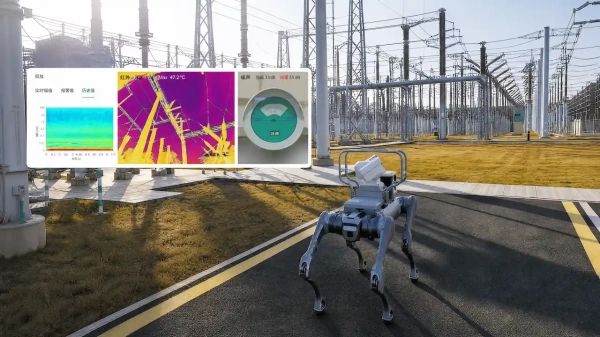
In scenes such as substations, energy stations and industrial pipe corridors, the four-legged robot dog can assist in equipment appearance inspection, instrument image acquisition and designated point inspection.
Custom Direction: According to the equipment type, thermal imaging, temperature monitoring, inspection data management and business platform interface development are evaluated to help improve the standardization level of inspection work.
3. product positioning and custom development
XViin-X1four-legged robot dogFor mobile inspection, complex terrain observation and on-site information collection and other directions. Product parameters include the weight of the whole machine24 kg5. Fuselage size approx.70 × 36 × 65 cmThe maximum moving speed is about3.2 m/sEndurance approx.4hours, maximum load approx.50 kg. Actual performance is affected by terrain, load and operating conditions.
XViin-RX7Humanoid robotFor human-computer interaction, task guidance, information display and verified auxiliary operation. Specific applications need to be evaluated based on actual hardware configuration and task requirements.
The support of Western Science and Technology is carried out around the needs of the project:
Scene customization: Design applications based on site layout, job objectives and workflow.
software secondary development: Evaluation task configuration, data collection, inspection records, information display and exception prompts.
Equipment adaptation: Evaluate professional equipment such as camera equipment, thermal imaging and environmental sensors according to needs.
System integration: According to the interface conditions, evaluate the interface with the customer's existing inspection platform, equipment management system and business software.
Field Verification: The mobility, communication stability, data collection effect and safety requirements are tested and continuously optimized.
The specific development scope and delivery capability are subject to the product interface, project technical evaluation and test results.
4. Joins Hands to Promote Intelligent Special Operations
From agricultural inspections to chemical inspections, from energy facility maintenance to emergency site surveys, different industries have different requirements for robot capabilities.
Xiwen Technology (XViin) Will continue to focus on physical intelligence and bionic robot technology, combined with the actual needs of industry customers, promote product adaptation, scene customization, software secondary development and system integration, and join hands with industry partners to explore more landing robot applications.
Let the robot undertake suitable tasks, let professionals focus more on judgment and decision-making, and jointly promote the intelligent development of complex operation scenarios.